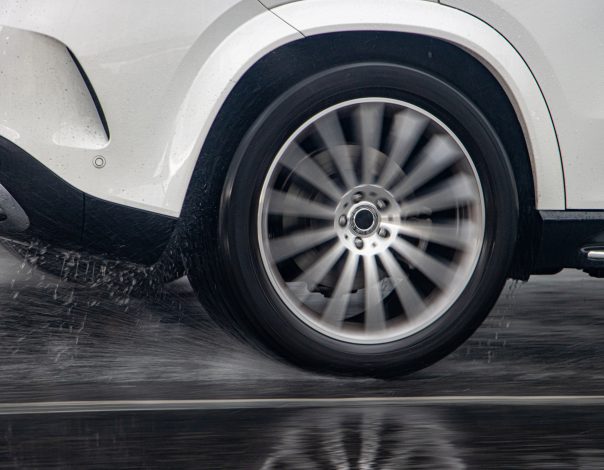
Tire Traction and Its Impact on Handling: What You Need to Know
When it comes to vehicle safety and performance, tire traction plays a defining role in how a vehicle responds on the road. At GT Radial, supported by the global engineering and manufacturing expertise of Giti Tire, traction is engineered with intention, not marketing language. With Giti Tire’s history dating back to 1951, operations spanning more than 130 countries, and over 25 years of presence in North America, GT Radial designs tires with a clear focus on predictable handling, real-world durability, and driver confidence across everyday conditions. Understanding how traction affects handling helps drivers make more informed decisions about tire selection and maintenance. In this blog, we’ll break down what traction really means and why it matters.
What Tire Traction Really Means
Tire traction describes how effectively a tire grips the road surface during acceleration, braking, and cornering. That grip is created through the interaction of the tire’s tread pattern, rubber compound, internal construction, and proper inflation. When these elements work together, the tire maintains consistent contact with the road, allowing driver inputs to translate into controlled vehicle movement.
When traction is reduced, whether from worn tread, improper inflation, or unsuitable tire design, handling becomes less predictable. This is why tires that appear similar in size can deliver noticeably different driving experiences under the same conditions.
How Traction Directly Influences Handling
Vehicle handling depends on how well the tires manage forces generated by steering, braking, and acceleration. Traction determines how effectively those forces are controlled.
- Steering response: Tires with adequate traction maintain stable contact through turns, allowing the vehicle to follow steering input accurately and consistently.
- Braking stability: Strong traction supports shorter stopping distances and helps the vehicle remain composed during sudden or hard braking, particularly on wet roads.
- Cornering control: As lateral forces increase in a turn, traction helps prevent sliding and supports a smooth, controlled cornering path.
- Acceleration management: Proper traction limits excessive wheel spin and promotes steady power delivery, especially during starts or when driving in adverse conditions.
When traction is compromised, drivers may experience vague steering, reduced braking confidence, or instability during turns.
Key Factors That Affect Tire Traction
Traction is the result of multiple design and maintenance factors working together, rather than a single feature.
- Tread pattern design: Tread grooves and sipes are engineered to manage water evacuation and maintain road contact, supporting wet-weather traction.
- Rubber compound formulation: Tire compounds are developed to balance grip, durability, and efficiency, with different formulations suited for varying temperatures and driving conditions.
- Tread depth and condition: As tread wears, the tire’s ability to grip the road diminishes, particularly on wet or slippery surfaces.
- Inflation pressure: Both underinflation and overinflation reduce the effective contact area, negatively affecting traction and overall handling balance.
Choosing tires designed for your climate and maintaining them properly is essential for consistent traction throughout their service life.
Why Traction Matters in Everyday Driving
Tire traction influences far more than high-performance driving scenarios. Daily driving situations such as emergency braking, lane changes, uneven pavement, or wet intersections all depend on reliable grip. Advanced vehicle safety systems, including anti-lock braking and stability control, rely on tire traction to function as intended.
Regular pressure checks, routine tire rotation, and timely replacement when tread depth becomes too low all help preserve traction and maintain predictable handling over time.
Schedule a Consultation With GT Radial
Tire traction plays a direct role in how your vehicle handles, responds, and maintains control in everyday driving. With decades of global engineering expertise behind every tire, GT Radial designs traction solutions that support predictable handling across real-world conditions. To ensure your vehicle is equipped with the right tires for your driving needs and environment, visit a GT Radial retailer for expert guidance and a professional consultation tailored to your vehicle.