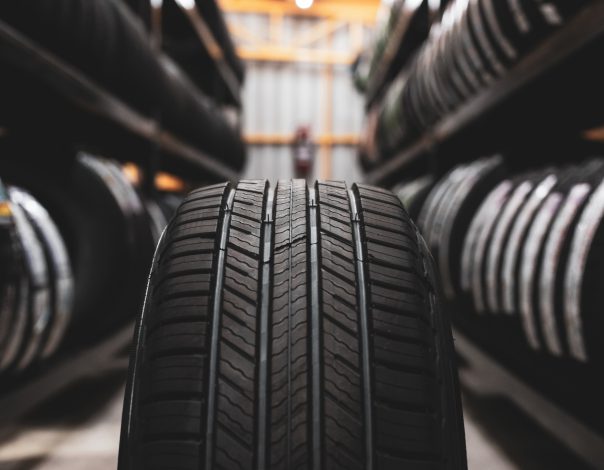
The Science of Tire Tread Patterns: How They Affect Performance
At GT Radial, performance is engineered, not promised. Supported by Giti Tire, a global tire manufacturer established in 1951 with advanced R&D centers in the U.S., UK, Germany, China, and Indonesia, GT Radial designs tread patterns through a disciplined blend of research, testing, and real-world validation. Each groove, block, and sipe serves a defined purpose, contributing to safety, durability, and dependable performance across everyday driving conditions. Here’s what you need to know about the science behind tire tread patterns and how they directly affect performance on the road.
Why Tire Tread Patterns Matter
Tire tread patterns are functional systems that manage how a tire grips the road, responds to steering inputs, and maintains stability in changing conditions. They influence braking distances, cornering confidence, ride comfort, and long-term wear.
At their core, tread patterns must strike a balance between competing priorities. Increasing traction can affect noise, improving water evacuation can reduce dry-road stability, and enhancing comfort can influence handling responsiveness. Effective tread design accounts for these trade-offs through careful engineering, material science, and extensive testing.
How Tread Design Influences Wet and Dry Performance
Water management is one of the most critical functions of a tread pattern. On wet surfaces, tires must move water out of the contact patch quickly to maintain grip and reduce the risk of hydroplaning.
- Circumferential grooves: Help channel water away from the tire footprint, supporting traction and stability at higher speeds.
- Lateral grooves and channels: Guide water outward during braking and cornering, improving directional control.
- Void ratio: The proportion of open space in the tread, which affects how efficiently water is evacuated versus how much rubber remains in contact with dry pavement.
On dry roads, tread blocks become the primary source of grip and control. Larger, more continuous blocks improve steering response and cornering stability, while overly aggressive void areas can compromise dry traction. GT Radial engineers calibrate this balance to deliver confident handling without sacrificing wet-weather safety.
The Role of Siping and Block Design
Sipes are thin slits molded into tread blocks that increase traction by creating additional biting edges. As the tire rolls, these sipes open and close, allowing the tread to adapt to the road surface.
- Traction enhancement: Improves grip on wet roads and in cooler temperatures.
- Surface conformity: Allows tread blocks to flex and maintain contact over uneven pavement.
- Wear management: Helps distribute forces more evenly across the tread for consistent performance over time.
Block geometry and spacing also influence noise levels and ride quality. Strategically varied block sequences disrupt repetitive sound patterns, contributing to a quieter, more comfortable driving experience.
Matching Tread Patterns to Driving Needs
Different driving demands call for different tread designs. GT Radial engineers tailor tread patterns based on vehicle type, driving style, and expected road conditions.
- Symmetrical tread patterns: Designed for consistent wear, low noise, and reliable everyday performance.
- Asymmetrical tread patterns: Use distinct inner and outer tread zones to balance wet traction with dry handling precision.
- Directional tread patterns: Engineered to move water efficiently at speed, enhancing stability in wet conditions.
Through market-specific research and real-world testing, GT Radial ensures each tread pattern aligns with the realities of North American driving.
Experience the Science Behind Every GT Radial Tire
The science of tire tread patterns directly influences how a vehicle grips the road, responds to steering, and performs in changing conditions. At GT Radial, this science is backed by the global engineering expertise and manufacturing standards of Giti Tire. To apply that science to your own driving needs, schedule a consultation with a GT Radial dealer today. Our experts can help you select the right tread design for your vehicle, driving habits, and local conditions, so you can experience the performance built into every GT Radial tire.