Understanding Tire Load Capacity: What It Means for Your Vehicle
Tire load capacity plays a central role in overall vehicle stability, braking response, and how confidently your vehicle carries weight. With more than 25 years of North American experience supported by Giti Tire’s global R&D network and U.S. manufacturing operations, GT Radial provides authoritative insight into how load capacity works and why choosing the correct rating is essential for safe, reliable performance.
What Tire Load Capacity Actually Measures
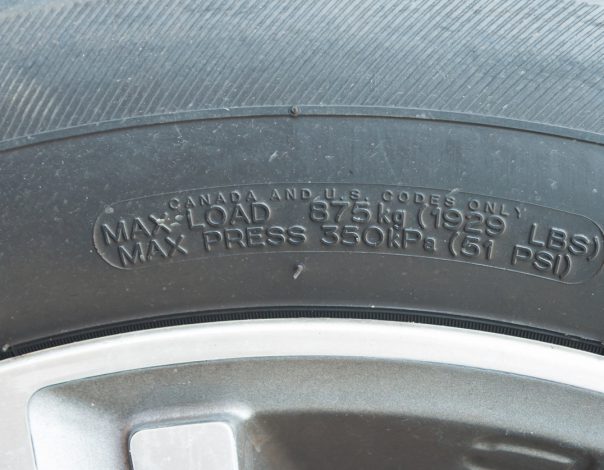
Tire load capacity refers to the maximum weight a tire can safely support when it is properly inflated. This value is determined by the tire’s load index, a standardized number molded onto the sidewall of the tire. A higher load index corresponds to a higher carrying capability. Understanding this rating helps ensure the tire can support the vehicle’s weight, passengers, cargo, and any additional load without compromising stability or performance.
Why Load Capacity Matters for Safety and Performance
A tire’s load capacity directly affects stability, stopping power, and how predictably a vehicle responds on the road. When a tire is asked to carry more weight than it is designed for, the added strain can lead to several safety-critical issues:
- Premature or uneven tread wear
- Excessive heat buildup that weakens internal components
- Reduced traction during braking or evasive maneuvers
- Structural stress that increases the risk of failure
Keeping loads within the tire’s designated limits supports safer handling, more consistent performance, and longer tread life. Proper inflation and routine inspections also help ensure the tire can manage weight as intended.
The Process Behind Determining Load Capacity
Manufacturers determine load limits through standardized testing that measures heat resistance, deformation, structural durability, and consistency under controlled weight and speed.
Because testing conditions are controlled, proper real‑world care remains essential, including maintaining correct inflation, rotating tires, and avoiding overloads.
How the ADVENTURO HT Supports Confident Load Performance
GT Radial’s ADVENTURO HT demonstrates how durable construction and balanced engineering work together to support stable load performance for SUVs and light trucks. how strong construction and smart tread design support stable load performance for SUVs and light trucks.
Key ADVENTURO HT features include:
- Dual sidewall design: Two aesthetic options.
- Full‑depth wave sipes: Enhanced traction in wet and light‑snow conditions.
- Chamfered tread edges: Improved water displacement.
- Continuous center rib: Better braking and highway stability.
- Optimized pitch sequencing: Lower road noise.
Its 65,000‑mile limited treadwear warranty and compatibility with P‑metric and LT‑metric fitments make it a dependable choice for daily driving, long trips, and towing within approved limits.
How to Choose the Right Load Rating for Your Vehicle
Choosing the right load rating starts with the vehicle’s tire placard on the driver’s door jamb. Key considerations include:
- Meeting or exceeding the vehicle’s original load index
- Using proper inflation when switching between P‑metric and LT‑metric tires
- Ensuring plus‑sizing does not reduce load capacity
- Maintaining reserve capacity for towing or cargo
These steps help manage heat and preserve tread life, which is especially important during highway driving., especially during highway driving.
Ensure Safe Performance with GT Radial Today
Tire load capacity influences stability, braking, and overall confidence on the road. Choosing tires that meet your required load index is essential for safe, long‑lasting performance. Supported by global research and North American manufacturing, GT Radial offers dependable options like the ADVENTURO HT for consistent capability in everyday driving.
If you need guidance selecting the correct load rating, visit your nearest GT Radial dealer for expert assistance. We can help you choose the right GT Radial tire and maintain reliable performance year‑round.